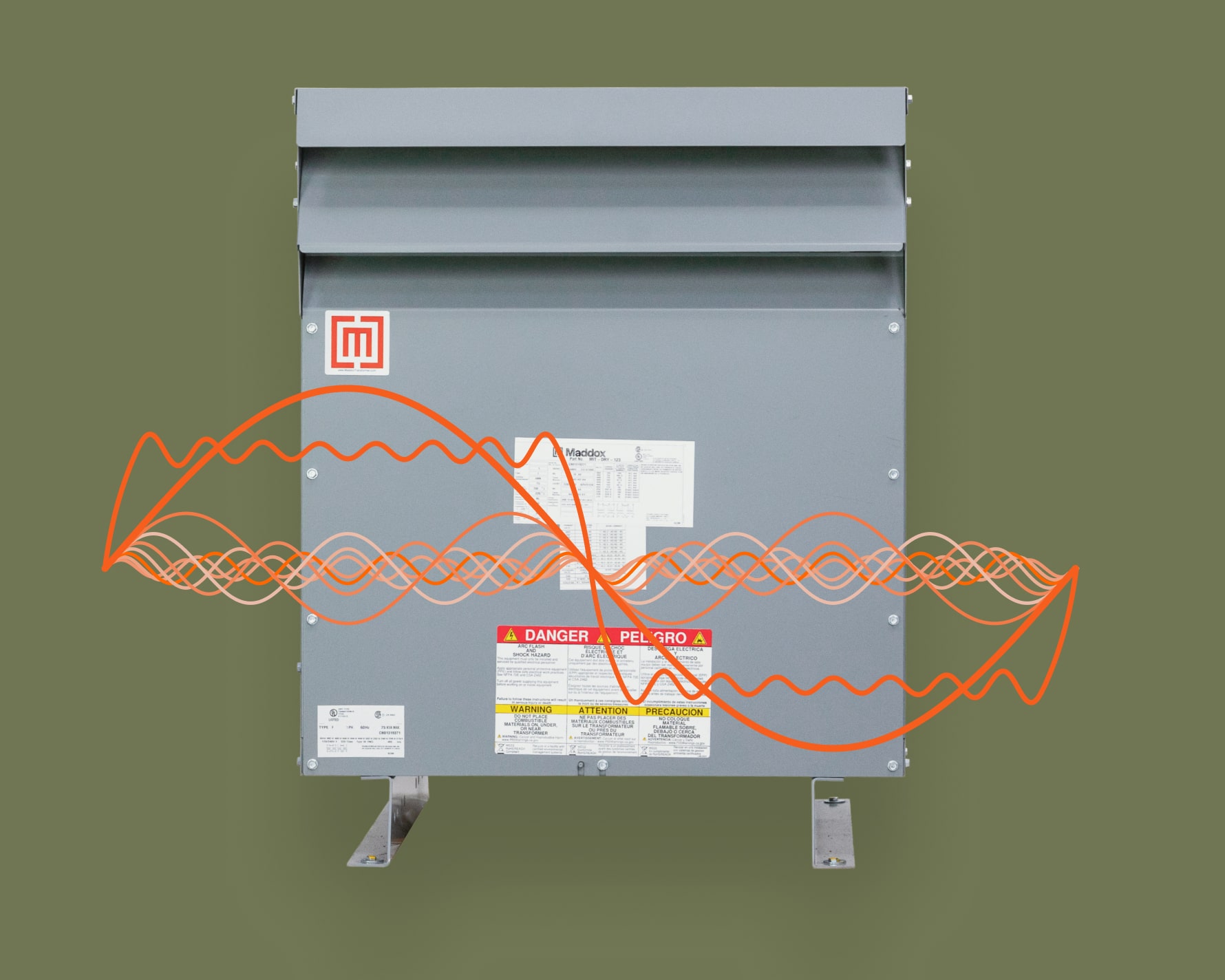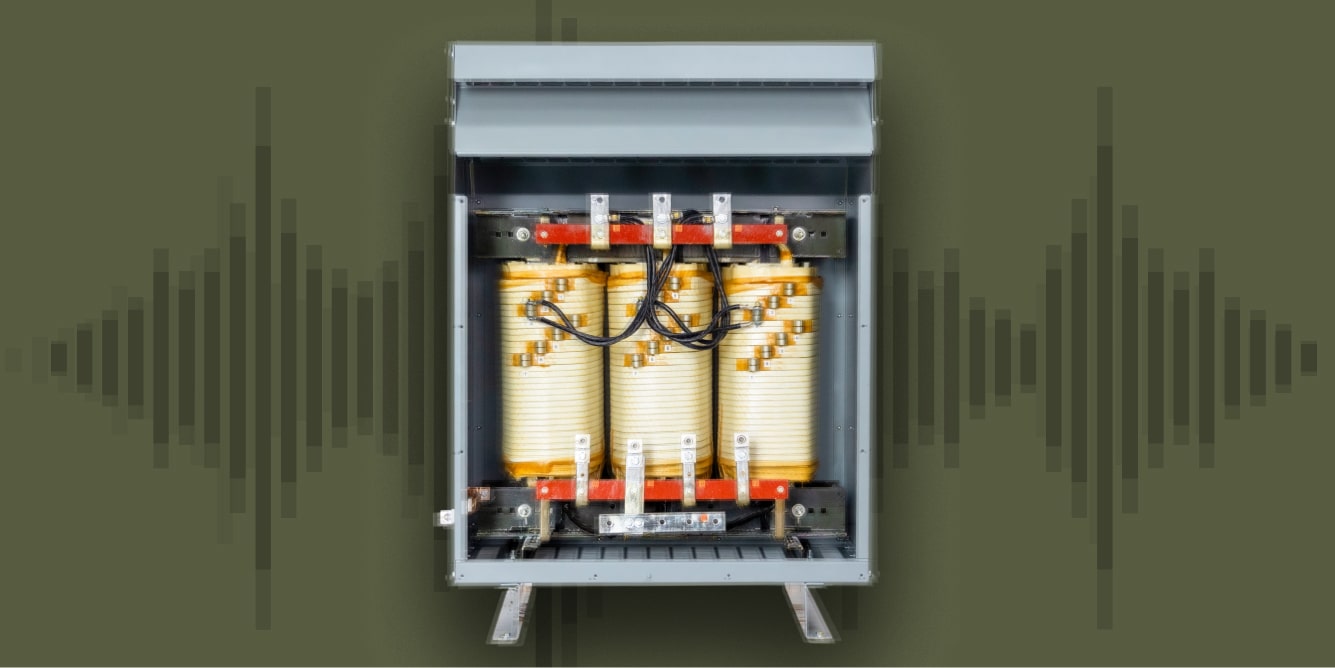
Transformer graphic with humming noise visual

Why Do Transformers Hum?

A transformer hum should be low and consistent. Learn the natural causes for a transformer hum as well as noises that may prompt further investigation.

A transformer hum is usually normal. Most transformers produce a low, steady humming sound caused by magnetostriction in the core and natural vibration of surrounding components. However, sudden increases in noise, rattling, popping, or irregular buzzing may indicate overload, loose components, or internal faults that require investigation.

Understanding the difference between normal transformer sounds and concerning ones can help you identify potential issues early and maintain reliable operation. Let's take a closer look at why transformers hum and what certain noises may be trying to tell you. 

What Causes Transformer Humming?

Transformers hum primarily because of magnetostriction and natural resonance. Magnetostriction causes the transformer core to expand and contract as the magnetic field changes. Natural resonance occurs when these vibrations transfer to surrounding structures, amplifying the sound.

A healthy transformer hum should be low, consistent, and relatively calm.

Magnetostriction

Magnetostriction is a natural occurrence in transformers. (It’s also a clunky word that we don’t recommend attempting before morning coffee…)

During operation, a magnetic field activates as electrical current flows between the transformer coils. At the same time, the transformer’s metal core expands and contracts, creating a humming sound. This phenomenon is called magnetostriction. Learn more about how transformers work.
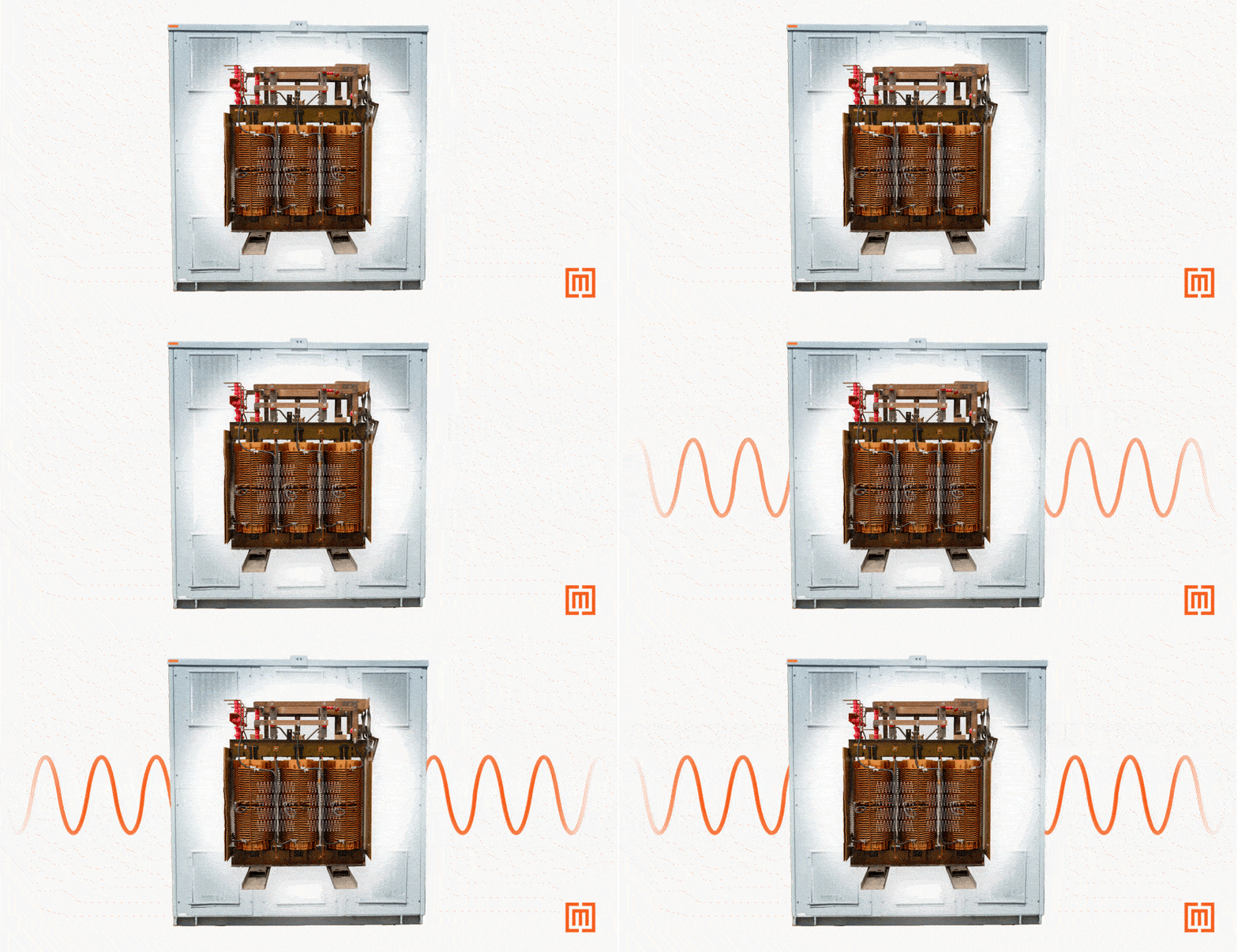
GIF of transformer metal core under magnetostriction

The surrounding components of the core also vibrate, adding their noise to the mix. The combined buzzing or droning sound makes up the transformer’s hum. A healthy transformer hum should be low, consistent, and calm. 

Natural Resonance 

A second reason transformers hum is natural resonance.

Transformers are typically installed on concrete pads, utility poles, steel structures, or inside buildings. As the transformer vibrates during operation, those connected structures can vibrate as well.

When these components vibrate at similar frequencies, the sound can become more noticeable. This effect is known as natural resonance.
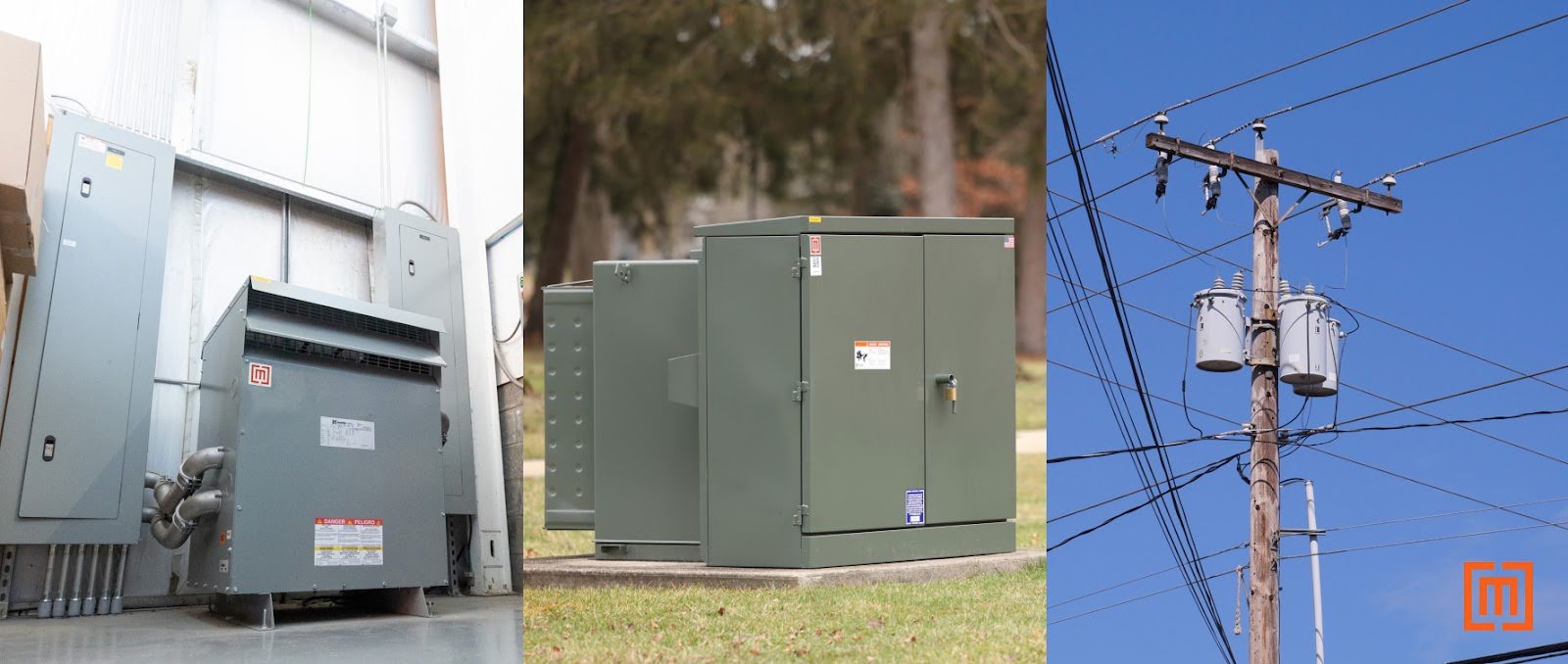
Image of padmount, pole station, and substation transfomers

Although the hum may seem louder, natural resonance alone is not necessarily a cause for concern.

Is Transformer Humming Normal? 

Yes. A low, steady hum is a normal part of transformer operation.

Various organizations have published industry standards for transformer noise levels. Take a look at the NEMA and IEEE industry standards for transformer noise. 

NEMA Standards for Liquid-Filled Transformers 

These are industry sound levels for liquid filled transformers like padmounts, substations, and polemounts.

Self-Cooled, Two Winding kVA Rating Average Decibels (dB)
45-500 56
501-700 57
701-1,000 58
1,001-1,500 60
1,501-2,000 61
2,001-2,500 62
2,501-3,000 63
3,001-4,000 64
4,001-5,000 65
5,001-6,000 66
6,001-7,500 67
7,501-10,000 68

One thing to keep in mind here: unless otherwise specified, transformer NEMA sound levels are established at no load. This means that if you measure the unit’s sound while the transformer is both energized and under load, you may find the sound louder.

IEEE Standards for Dry-Type Transformers 

Here are the IEEE standards for low voltage and medium voltage dry-type transformers.

Self-cooled Ventilated forced air cooled
Equivalent two-winding (kVA) Ventilated (class AN
rating), dB(A)
Sealed (class GN rating), dB(A) Equivalent two-winding (kVA) Class AF rating,
dB(A)
0-9 40 45 0-1,167 67
10-50 45 50 1,168-1,667 68
51-150 50 55 1,668-2,000 69
151-300 55 57 2,001-3,333 71
301-500 60 59 3,334-5,000 73
501-700 62 61 5,001-6,667 74
701-1,000 64 63 6,668-8,333 75
1,001-1,500 65 64 8,334-10,000 78
1,501-2,000 66 65 10,001-13,333 82
2,001-3,000 68 66
3,001-4,000 70 68
4,001-5,000 71 69
5,001-6,000 72 70
6,001-7,500 75 71
7,501-10,000 79 72
10,001-15,000 82 73

Transformer sound levels are typically measured in A-weighted decibels, or dB(A), which reflect how the human ear perceives sound.

For comparison:

  • A quiet office is approximately 40 to 50 dB(A).
  • Normal conversation averages around 60 dB(A).
  • Many distribution transformers operate within the 56 to 68 dB(A) range defined by NEMA standards.

What are Ways to Reduce Normal Transformer Noise?

Even if your transformer produces humming sounds within the standards listed above, the noise can still be a lot to handle. Especially if your transformer is indoors. Below are a few ways to reduce the amount of sound your transformer produces.

Add Walls

You can surround the transformers with thick walls or even put the unit in its own room. Many offices or manufacturing buildings have a dedicated electrical room where they store and protect their equipment. The additional insulation from these walls will reduce the sound you hear.

Install Anti-Vibration Pads

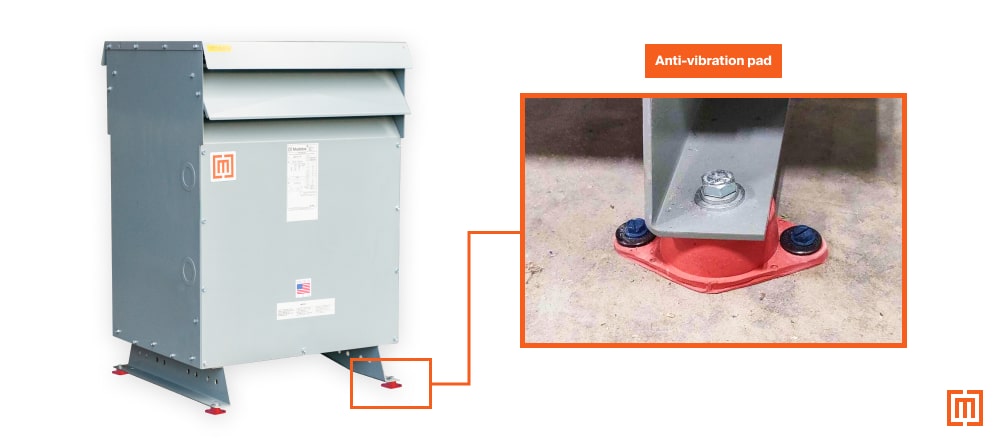
Some types of transformers can sit on anti-vibration pads. These pads create a gap between the transformer and the ground. They also absorb the vibration of the transformer itself. Both of these factors decrease the overall level of sound.  
Transformer with anti-vibration pads

What Transformer Sounds Should Raise Concern?

Maddox Field Insight

In our experience evaluating transformers, the most concerning situations are not necessarily the loudest ones.

Any sudden change in transformer noise deserves attention.

If transformer noise exceeds expected levels or shifts from its normal operating pattern, investigate the cause. Some sounds may indicate minor maintenance issues, while others could point to serious internal problems.

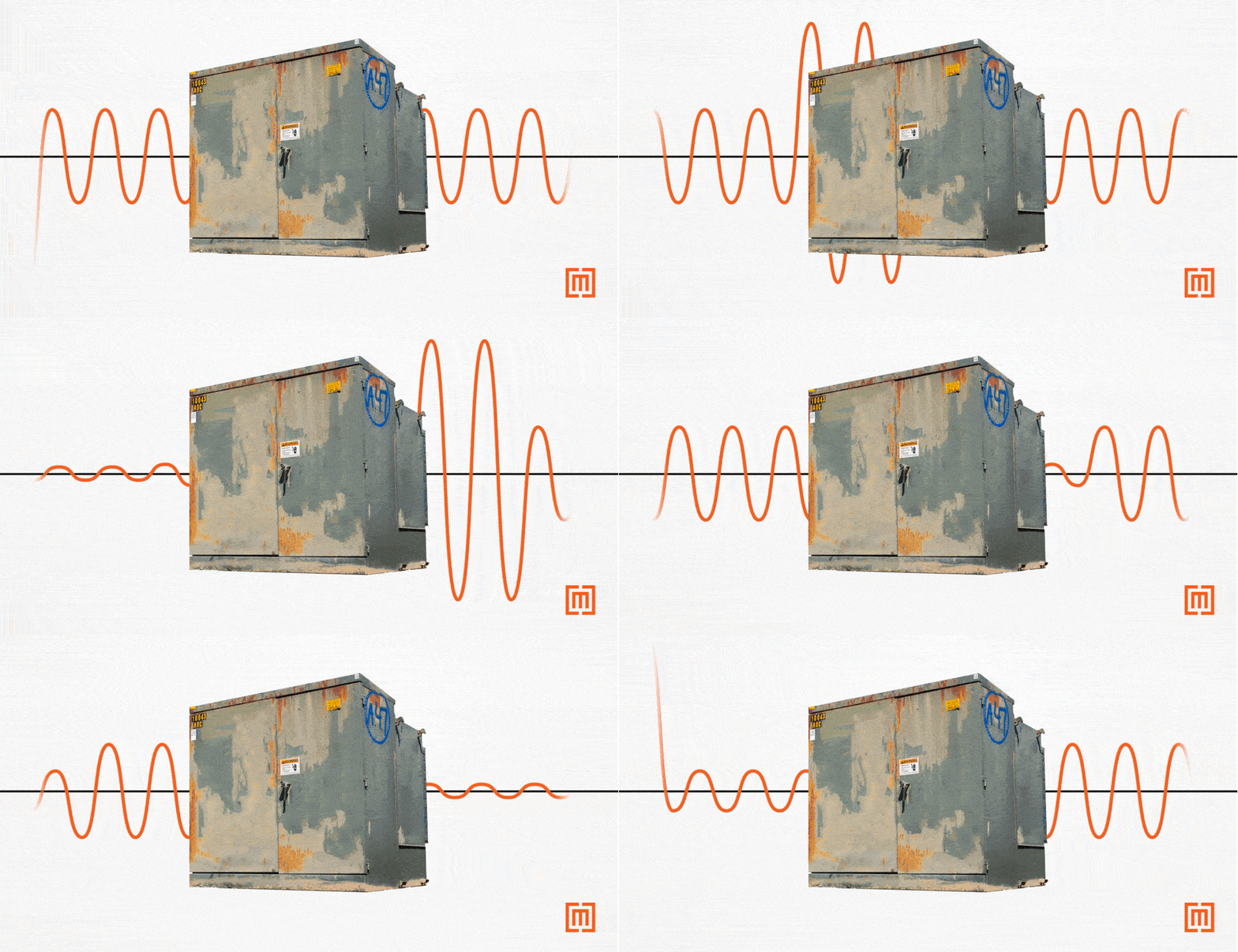
In particular, irregular buzzing, crackling, popping, or noises resembling internal arcing (this will sometimes sound like a weed whacker inside your transformer) should never be ignored.
GIFT of old transformer with inconsistent noise

Several conditions can cause a transformer to become louder than normal:

Core Saturation

Core saturation occurs when the transformer’s core can no longer efficiently handle the magnetic field. Overvoltage conditions or excessive loading can contribute to saturation, increasing vibration and noise levels.

Transformer Overload

When a transformer carries more current than it was designed to handle, the windings and core can overheat. This additional stress can alter normal vibration patterns and create a louder or less consistent hum.

Loose Components or Mounting Hardware

Loose components, mounting hardware, or structural connections can create rattling and amplify vibration.

Routine maintenance inspections should include checks for loose hardware and signs of excessive movement.

Wear and Aging

Over time, normal wear can affect the transformer's structural integrity. Aging components may contribute to changes in sound characteristics that warrant closer evaluation.

Transformer Sounds: What’s Normal and What Isn’t

Transformer Sound Normal? Possible Cause Recommended Action
Low, steady hum Yes Magnetostriction Monitor during routine maintenance
Slightly louder hum under load Usually Increased magnetic forces Verify loading conditions
Rattling No Loose components or mounting hardware Inspect and tighten connections
Intermittent buzzing No Loose electrical connections Investigate promptly
Crackling or popping No Internal arcing or insulation failure De-energize and inspect
Sudden increase in noise No Overload or core saturation Assess operating conditions

What Should You Do If The Noise Changes?

If Transformer Noise Changes Unexpectedly:

  1. Check for signs of overheating.
  2. Inspect mounting hardware for looseness.
  3. Verify that loading remains within design limits.
  4. Review whether protective devices have operated.
  5. De-energize the transformer if you hear popping, crackling, or suspected arcing.
  6. Consult a qualified transformer technician if concerns persist.

Conclusion

We hope the reasons for transformer noise are now a little clearer. Understanding transformer sounds along with routine transformer maintenance will tell you if a unit should be repaired or replaced. 

If you’re unsure of whether a transformer noise is normal, you can always reach out to us. Maddox can tell you what to expect. We can also help you investigate anything that doesn’t sound quite right. And, we can help you with any needed repairs. 

If you have concerns about your transformer’s noise, fill out the form below!

Written by:
Matt Estelle
A Maddox Padmount transformer loaded on a truck and shipping out

Get in touch

Find out how Maddox can power on your next project.
Thank you!
Your submission has been received!
Oops! Something went wrong while submitting the form.
All Articles

Why Do Transformers Hum?

A transformer hum should be low and consistent. Learn the natural causes for a transformer hum as well as noises that may prompt further investigation.

Written by:
Matt Estelle

June 16, 2025

Transformer graphic with humming noise visual

A transformer hum is usually normal. Most transformers produce a low, steady humming sound caused by magnetostriction in the core and natural vibration of surrounding components. However, sudden increases in noise, rattling, popping, or irregular buzzing may indicate overload, loose components, or internal faults that require investigation.

Understanding the difference between normal transformer sounds and concerning ones can help you identify potential issues early and maintain reliable operation. Let's take a closer look at why transformers hum and what certain noises may be trying to tell you. 

What Causes Transformer Humming?

Transformers hum primarily because of magnetostriction and natural resonance. Magnetostriction causes the transformer core to expand and contract as the magnetic field changes. Natural resonance occurs when these vibrations transfer to surrounding structures, amplifying the sound.

A healthy transformer hum should be low, consistent, and relatively calm.

Magnetostriction

Magnetostriction is a natural occurrence in transformers. (It’s also a clunky word that we don’t recommend attempting before morning coffee…)

During operation, a magnetic field activates as electrical current flows between the transformer coils. At the same time, the transformer’s metal core expands and contracts, creating a humming sound. This phenomenon is called magnetostriction. Learn more about how transformers work.

GIF of transformer metal core under magnetostriction

The surrounding components of the core also vibrate, adding their noise to the mix. The combined buzzing or droning sound makes up the transformer’s hum. A healthy transformer hum should be low, consistent, and calm. 

Natural Resonance 

A second reason transformers hum is natural resonance.

Transformers are typically installed on concrete pads, utility poles, steel structures, or inside buildings. As the transformer vibrates during operation, those connected structures can vibrate as well.

When these components vibrate at similar frequencies, the sound can become more noticeable. This effect is known as natural resonance.

Image of padmount, pole station, and substation transfomers

Although the hum may seem louder, natural resonance alone is not necessarily a cause for concern.

Is Transformer Humming Normal? 

Yes. A low, steady hum is a normal part of transformer operation.

Various organizations have published industry standards for transformer noise levels. Take a look at the NEMA and IEEE industry standards for transformer noise. 

NEMA Standards for Liquid-Filled Transformers 

These are industry sound levels for liquid filled transformers like padmounts, substations, and polemounts.

Self-Cooled, Two Winding kVA Rating Average Decibels (dB)
45-500 56
501-700 57
701-1,000 58
1,001-1,500 60
1,501-2,000 61
2,001-2,500 62
2,501-3,000 63
3,001-4,000 64
4,001-5,000 65
5,001-6,000 66
6,001-7,500 67
7,501-10,000 68

One thing to keep in mind here: unless otherwise specified, transformer NEMA sound levels are established at no load. This means that if you measure the unit’s sound while the transformer is both energized and under load, you may find the sound louder.

IEEE Standards for Dry-Type Transformers 

Here are the IEEE standards for low voltage and medium voltage dry-type transformers.

Self-cooled Ventilated forced air cooled
Equivalent two-winding (kVA) Ventilated (class AN
rating), dB(A)
Sealed (class GN rating), dB(A) Equivalent two-winding (kVA) Class AF rating,
dB(A)
0-9 40 45 0-1,167 67
10-50 45 50 1,168-1,667 68
51-150 50 55 1,668-2,000 69
151-300 55 57 2,001-3,333 71
301-500 60 59 3,334-5,000 73
501-700 62 61 5,001-6,667 74
701-1,000 64 63 6,668-8,333 75
1,001-1,500 65 64 8,334-10,000 78
1,501-2,000 66 65 10,001-13,333 82
2,001-3,000 68 66
3,001-4,000 70 68
4,001-5,000 71 69
5,001-6,000 72 70
6,001-7,500 75 71
7,501-10,000 79 72
10,001-15,000 82 73

Transformer sound levels are typically measured in A-weighted decibels, or dB(A), which reflect how the human ear perceives sound.

For comparison:

  • A quiet office is approximately 40 to 50 dB(A).
  • Normal conversation averages around 60 dB(A).
  • Many distribution transformers operate within the 56 to 68 dB(A) range defined by NEMA standards.

What are Ways to Reduce Normal Transformer Noise?

Even if your transformer produces humming sounds within the standards listed above, the noise can still be a lot to handle. Especially if your transformer is indoors. Below are a few ways to reduce the amount of sound your transformer produces.

Add Walls

You can surround the transformers with thick walls or even put the unit in its own room. Many offices or manufacturing buildings have a dedicated electrical room where they store and protect their equipment. The additional insulation from these walls will reduce the sound you hear.

Install Anti-Vibration Pads

Some types of transformers can sit on anti-vibration pads. These pads create a gap between the transformer and the ground. They also absorb the vibration of the transformer itself. Both of these factors decrease the overall level of sound.  

Transformer with anti-vibration pads

What Transformer Sounds Should Raise Concern?

Maddox Field Insight

In our experience evaluating transformers, the most concerning situations are not necessarily the loudest ones.

Any sudden change in transformer noise deserves attention.

If transformer noise exceeds expected levels or shifts from its normal operating pattern, investigate the cause. Some sounds may indicate minor maintenance issues, while others could point to serious internal problems.

In particular, irregular buzzing, crackling, popping, or noises resembling internal arcing (this will sometimes sound like a weed whacker inside your transformer) should never be ignored.

GIFT of old transformer with inconsistent noise

Several conditions can cause a transformer to become louder than normal:

Core Saturation

Core saturation occurs when the transformer’s core can no longer efficiently handle the magnetic field. Overvoltage conditions or excessive loading can contribute to saturation, increasing vibration and noise levels.

Transformer Overload

When a transformer carries more current than it was designed to handle, the windings and core can overheat. This additional stress can alter normal vibration patterns and create a louder or less consistent hum.

Loose Components or Mounting Hardware

Loose components, mounting hardware, or structural connections can create rattling and amplify vibration.

Routine maintenance inspections should include checks for loose hardware and signs of excessive movement.

Wear and Aging

Over time, normal wear can affect the transformer's structural integrity. Aging components may contribute to changes in sound characteristics that warrant closer evaluation.

Transformer Sounds: What’s Normal and What Isn’t

Transformer Sound Normal? Possible Cause Recommended Action
Low, steady hum Yes Magnetostriction Monitor during routine maintenance
Slightly louder hum under load Usually Increased magnetic forces Verify loading conditions
Rattling No Loose components or mounting hardware Inspect and tighten connections
Intermittent buzzing No Loose electrical connections Investigate promptly
Crackling or popping No Internal arcing or insulation failure De-energize and inspect
Sudden increase in noise No Overload or core saturation Assess operating conditions

What Should You Do If The Noise Changes?

If Transformer Noise Changes Unexpectedly:

  1. Check for signs of overheating.
  2. Inspect mounting hardware for looseness.
  3. Verify that loading remains within design limits.
  4. Review whether protective devices have operated.
  5. De-energize the transformer if you hear popping, crackling, or suspected arcing.
  6. Consult a qualified transformer technician if concerns persist.

Conclusion

We hope the reasons for transformer noise are now a little clearer. Understanding transformer sounds along with routine transformer maintenance will tell you if a unit should be repaired or replaced. 

If you’re unsure of whether a transformer noise is normal, you can always reach out to us. Maddox can tell you what to expect. We can also help you investigate anything that doesn’t sound quite right. And, we can help you with any needed repairs. 

If you have concerns about your transformer’s noise, fill out the form below!

A Maddox Padmount transformer loaded on a truck and shipping out

Get in touch

Find out how Maddox can power on your next project.
Thank you!
Your submission has been received!
Oops! Something went wrong while submitting the form.